Views: 0 Author: Site Editor Publish Time: 2025-11-11 Origin: Site
Imagine your maglock failing at the worst possible moment. Maglocks are crucial for security, ensuring doors stay secure. When they malfunction, security is compromised. In this guide, we'll explore common maglock issues, diagnosing techniques, and troubleshooting solutions. You'll learn preventative maintenance tips and when to seek professional help, ensuring your maglock remains reliable and effective.
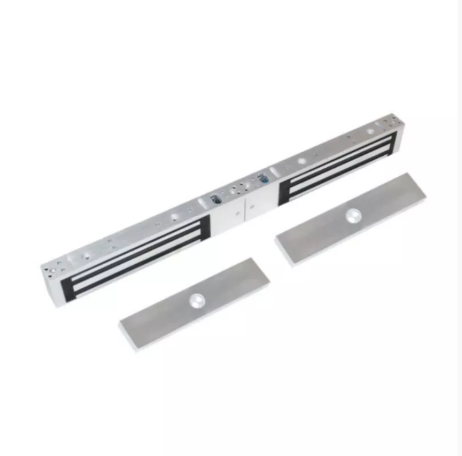
Maglocks are reliable, but several common issues can cause them to fail. Knowing these reasons helps you diagnose problems quickly.
One of the top reasons a maglock stops working is power supply failure. If the lock doesn’t get enough power, it won’t engage or release properly. Causes include:
Dead batteries in backup systems
Tripped circuit breakers
Faulty or insufficient power supplies
Checking the power source is the first step when troubleshooting.
Maglocks need a specific voltage, usually 12V or 24V DC, to operate correctly. Too low or too high voltage can weaken the magnetic force, causing the lock to fail. Voltage fluctuations may come from:
Poor power supply regulation
Long or thin wiring causing voltage drop
Using incompatible power adapters
Always verify the voltage matches the manufacturer’s specs.
Wiring faults can disrupt power flow or signal transmission. Common wiring issues include:
Loose connections
Damaged or frayed cables
Incorrect wiring during installation
These problems can cause intermittent lock operation or complete failure. Inspect wiring carefully and secure all connections.
Over time, physical parts of the maglock may degrade. This includes:
Worn electromagnet coils
Rust or corrosion on the armature plate
Misaligned lock or strike plate
Damage reduces holding force and may prevent the lock from engaging fully. Regular inspection helps catch wear early.
Environmental conditions affect maglock performance. Exposure to:
Moisture or humidity can cause corrosion
Extreme temperatures may weaken the magnetic coil
Dust or debris can build up on contact surfaces
Choosing the right lock type for your environment and protecting it from harsh conditions extends its lifespan.
When your maglock isn't working, the first step is diagnosing the problem. This helps you know exactly what to fix. Here’s how to check the main parts:
Start by making sure the maglock is getting power. Look for loose wires or disconnected cables. Sometimes, a wire might look connected but isn’t making good contact. Also, check the power supply unit. If it’s faulty, the lock won’t get enough juice to work properly. Make sure any backup batteries are charged and circuit breakers haven’t tripped.
Next, take a close look at the maglock’s electrical parts. This includes the electromagnet coil and any circuit boards inside the lock. Look for signs of damage like burnt spots, corrosion, or broken parts. Even small cracks can cause problems. If you see damaged components, they might need replacing.
Use a multimeter to measure the voltage the maglock receives. The voltage should match the manufacturer’s specifications, usually 12V or 24V DC. If the voltage is too low, the lock won’t hold properly. If it’s too high, it could damage the lock. Test the voltage at the lock’s terminals to ensure the power supply and wiring deliver the correct amount.
Finally, inspect the physical parts of the lock. Check the electromagnet and the armature plate for dirt, rust, or damage. These surfaces must be clean and flat to create a strong magnetic bond. Also, look for misalignment. If the armature plate isn’t lined up perfectly with the magnet, the lock won’t hold. Adjust the mounting if needed.
When your maglock isn’t working properly, fixing it often comes down to a few key troubleshooting steps. Here’s how you can tackle common problems effectively:
Maglocks need the right voltage to work well, usually 12V or 24V DC. If the voltage is too low, the magnetic force weakens and the lock won’t hold. Too high voltage can damage the lock. Use a multimeter to check the voltage at the lock’s terminals. If it’s off, adjust or replace the power supply to match the manufacturer’s specs.
Over time, parts inside the maglock wear out. The electromagnet coil can weaken, or the armature plate may corrode. If you notice rust, cracks, or the lock doesn’t hold as strong, replace these components. Using original or compatible parts ensures the lock stays reliable.
Dust, dirt, or rust on the electromagnet or armature plate reduces the magnetic bond. Clean these surfaces regularly using a soft cloth and a mild cleaner. Avoid harsh chemicals that might damage the metal. Keeping contact points clean helps maintain maximum holding force.
The electromagnet and armature plate must line up perfectly. Even a small misalignment can cause the lock to fail. Check the mounting brackets and screws. If the lock or plate is off-center, loosen the screws, reposition the parts, then tighten securely. Proper alignment ensures the magnet and plate press firmly together.
Keeping your maglock in top shape prevents many common problems. Regular maintenance boosts security and extends the lock’s life. Here’s what you should do.
Check your maglock often. Look for dirt, dust, or rust on the electromagnet and armature plate. These build-ups weaken the magnetic bond. Use a soft cloth and mild cleaner to wipe surfaces gently. Avoid harsh chemicals that might damage metal parts.Also, inspect for physical wear or corrosion. Catching small issues early prevents bigger problems later. Check screws and mounting brackets to ensure everything stays tight and aligned.
Power issues cause many maglock failures. Regularly test the power supply output with a multimeter to confirm it delivers the correct voltage, usually 12V or 24V DC. Look for signs of wear or damage on power cables and connectors. Replace any faulty parts immediately.Don’t forget backup power sources like batteries. Make sure they hold a full charge and replace them as recommended by the manufacturer. A reliable power source keeps your maglock functioning even during outages.
Even with regular checks, some problems need expert eyes. Schedule annual inspections by a qualified technician. They can perform detailed tests, clean hard-to-reach parts, and replace components before failure occurs.Professionals also verify the entire access control system works smoothly. This reduces downtime and enhances building security. Annual servicing is a smart investment for long-term reliability.
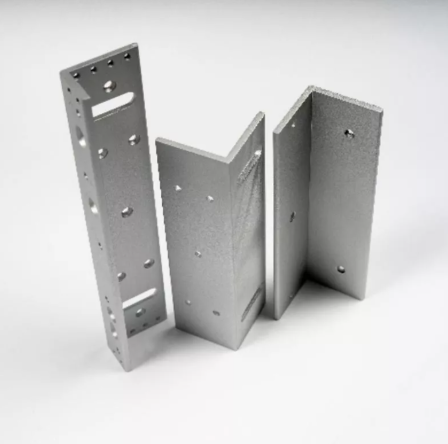
Sometimes, maglock problems go beyond simple fixes. Knowing when to call a professional can save time, money, and frustration. Here are the key situations that require expert intervention:
If your maglock keeps failing despite your troubleshooting efforts, it’s time to get help. Repeated lock failures might indicate deeper issues, such as internal component damage or hidden wiring faults. A professional technician can perform advanced diagnostics to pinpoint the exact cause and recommend the right repair or replacement.
Electrical issues can be tricky and dangerous if handled incorrectly. Problems like fluctuating voltage, short circuits, or faulty control panels often need specialized tools and knowledge. Professionals have experience working safely with electrical systems and can resolve these problems efficiently, ensuring your maglock works reliably without risk.
Sometimes, maglocks or their entire access control systems become outdated or severely damaged. In these cases, patching up old parts won’t restore full security or performance. Professionals can advise on the best replacement options, install new equipment correctly, and integrate it smoothly with your existing security setup.
Maglocks can fail due to power supply issues, incorrect voltage, wiring problems, physical damage, and environmental factors. Regular inspection and maintenance are crucial for preventing common problems. Use a multimeter to check voltage and ensure clean contact surfaces. Seek professional help for persistent failures or complex electrical issues. Yunci Technology offers reliable maglocks that ensure secure access control, providing peace of mind with their durable and efficient products.
A: A maglock, or magnetic lock, uses an electromagnet and armature plate to create a strong magnetic bond, securing doors when powered.
A: Common maglock issues include power supply failures, incorrect voltage levels, wiring problems, physical damage, and environmental factors.
A: Check power connections, inspect electrical components, test voltage output, and examine the physical lock mechanism for alignment and damage.
A: Regular maintenance ensures reliable operation, extends the maglock's lifespan, and boosts security by preventing common problems.


