Views: 0 Author: Site Editor Publish Time: 2025-10-30 Origin: Site
Ever wondered how to secure a door without traditional locks? Enter maglocks, the modern solution for enhanced security. These electromagnetic locks offer a sleek, efficient way to keep doors secure. In this post, you'll learn what maglocks are, their importance, and various applications, from glass doors to high-security areas.
Maglocks are a perfect fit for glass doors, combining security with a sleek look. Unlike traditional locks requiring drilling or bulky hardware, maglocks attach with minimal disruption. This preserves the clean, modern style glass doors offer while still securing the entry. They use special mounting brackets and adhesive kits designed for all-glass doors, ensuring strong hold without damaging the glass.Maglocks provide strong security by magnetically holding the door closed, which works well for high-traffic areas where many people come and go. Because they have no moving parts, maglocks reduce wear and tear, making them durable and low-maintenance. This is especially important on glass doors, where maintaining the door’s integrity is critical.Using maglocks on glass doors also supports easy integration with access control systems like card readers or biometric devices, enhancing security without sacrificing style. This makes them an excellent choice for offices, retail stores, and other commercial spaces that want both safety and a modern design.
Installing maglocks on glass doors requires careful attention to avoid damage and ensure maximum holding force. The process usually involves:
Choosing the right maglock model: Select one designed specifically for glass doors, often with specialized brackets and adhesive mounting kits.
Preparing the glass surface: Clean the area thoroughly to ensure strong adhesion.
Applying adhesive brackets: Use the supplied adhesive kits to attach mounting brackets to the glass, avoiding drilling.
Mounting the electromagnet: Secure the magnet to the door frame or header using the brackets.
Attaching the armature plate: Fix the armature plate to the glass door itself, ensuring it aligns perfectly with the magnet.
Wiring: Connect the maglock to a reliable power supply and integrate it with the building’s access control system.
Testing: Check the lock’s hold strength and release functionality to confirm proper installation.
Because glass is fragile, professional installation is recommended to avoid cracks or misalignment. The adhesive mounting system allows for a strong bond without mechanical damage, preserving door aesthetics and function.
Maglocks shine in busy areas where many people enter and exit. Because they have no moving mechanical parts, they don’t wear out like traditional locks do. This means less maintenance and fewer breakdowns. They provide smooth, reliable locking every time, even with constant use.Their holding force can be chosen to match the door’s strength and traffic level. For example, glass doors usually need a maglock with moderate holding force because glass is delicate. Metal doors can support higher holding force maglocks, offering stronger security.Maglocks also integrate easily with access control systems like card readers or keypads. This allows for quick, secure entry and exit, reducing bottlenecks during peak traffic. They can be programmed to unlock instantly for authorized users, improving flow without sacrificing safety.Another benefit is their fail-safe nature. If power is lost, maglocks release automatically, allowing people to exit safely. This is critical in emergencies when quick evacuation is needed in crowded spaces.
Selecting the right maglock depends on the door type and usage:
Glass Doors: Use maglocks designed for glass, which come with special adhesive brackets. These locks have enough holding force to secure the door without risking damage.
Metal Doors: Choose maglocks with higher holding force, often 1200 to 1500 pounds or more, for solid security. These locks handle the stress of heavy use and force better.
Wood Doors: Mid-range holding force maglocks work well here. The door’s sturdiness lets you pick a lock that balances security and preservation of the door.
Sliding or Swinging Doors: Specialty shear maglocks fit sliding or bi-swing doors. They lock securely while allowing smooth door movement.
High-Traffic Entrances: Consider maglocks with quick release and robust construction to withstand constant use.
Always match the maglock’s holding force to the door’s strength and the expected traffic. Overpowering a glass door with a high-force maglock risks damage, while underpowered locks on metal doors reduce security.
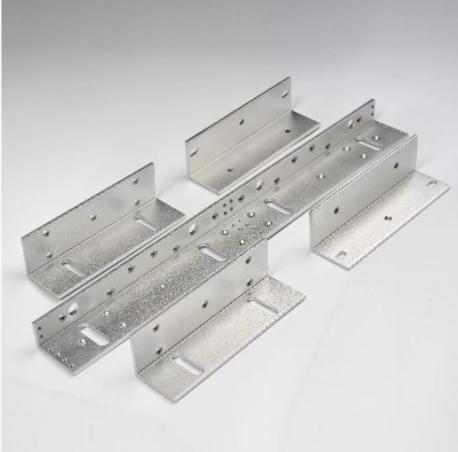
When securing high-risk areas, maglocks with strong holding force are essential. These locks can resist attempts to force open doors, providing peace of mind for sensitive locations. Standard maglocks offer holding forces around 1200 pounds, but high-security applications often require 1800 pounds or more. For example, the M62 model provides 1200 pounds of holding force, while the M82 offers 1800 pounds, suitable for most secure environments.In cases demanding extreme security, such as server rooms or vaults, maglocks like the MM15 deliver up to 4000 pounds of holding force. This immense strength makes it nearly impossible to breach the door by force. The magnetic bond between the electromagnet and armature plate is designed to withstand significant physical stress, ensuring the door stays locked even under attack.Choosing a maglock with the right holding force depends on the door material and the security level needed. Metal doors can handle higher force models, while glass doors require careful selection to avoid damage. Proper installation ensures the lock's full holding power is utilized, preventing weak points.
Maglocks installed on the unsecured side of a door face risks of tampering. To counter this, fully sealed maglocks are recommended. These models enclose wiring and components inside a sturdy casing, making it difficult for intruders to access or cut wires. For instance, the M62 and M82 models come fully sealed, which protects against wire tampering and vandalism.Sealed maglocks also help maintain reliable performance outdoors or in harsh conditions, where exposure might otherwise cause damage. Their robust design resists physical attacks and environmental wear, reducing maintenance needs.Additional anti-tampering measures include integrating maglocks with alarm systems. If tampering is detected, the system can trigger alerts to security personnel. This proactive approach enhances protection beyond the mechanical strength of the lock itself.
In summary, high-security maglocks combine strong holding force and tamper-resistant designs. These features are critical for protecting valuable assets, sensitive information, or restricted areas. Selecting the right model and ensuring professional installation maximizes security and lock durability.
Outdoor environments can be tough on security hardware. Rain, snow, heat, and cold all challenge the durability and function of maglocks. Using a maglock not designed for outdoor use risks failure due to moisture intrusion or corrosion. That’s why weather-resistant maglocks are essential for outdoor openings.These maglocks come fully sealed to protect internal electronics from water and dust. Their housings are made from corrosion-resistant materials like stainless steel or powder-coated metals. The seals around wiring and mounting points prevent moisture from entering and causing shorts or rust.
Additionally, weather-resistant maglocks often feature built-in drainage or ventilation to avoid condensation buildup inside the unit. This keeps the lock working reliably through temperature swings and humidity changes.
Power wiring for outdoor maglocks is usually routed through conduit or weatherproof cable glands, further preventing exposure to the elements. Some models, like the M32G, M62G, and M82G, are specifically built for outdoor use on perimeter gates, combining weatherproofing with strong holding force.Choosing a weather-resistant maglock ensures your outdoor access points stay secure year-round without frequent maintenance or unexpected failure.
Perimeter gates protect the boundary of a property, so maglocks here need to meet extra demands beyond weather resistance.
Gate Conduit Compatibility: Outdoor maglocks often come with gate conduit options to protect wiring from damage and weather. This makes installation on metal gates easier and safer.
High Holding Force: Perimeter gates may face higher physical stress or attempted forced entry. Maglocks designed for these gates offer stronger holding forces, sometimes up to 1800 pounds or more, to withstand these conditions.
Tamper Resistance: Outdoor maglocks often include features like fully sealed housings and concealed wiring to prevent tampering or vandalism.
Easy Integration: They integrate with access control systems, intercoms, and video surveillance for comprehensive perimeter security.
Fail-Safe Operation: Like all maglocks, outdoor models release when power is cut, ensuring safe exit during emergencies.
Robust Mounting Hardware: Specialized brackets and mounting kits accommodate gate structures, ensuring secure attachment despite gate movement or vibration.
When selecting a maglock for a perimeter gate, consider the gate material, environmental conditions, and security needs. Properly matched outdoor maglocks provide reliable, long-lasting security for your property’s entry points.
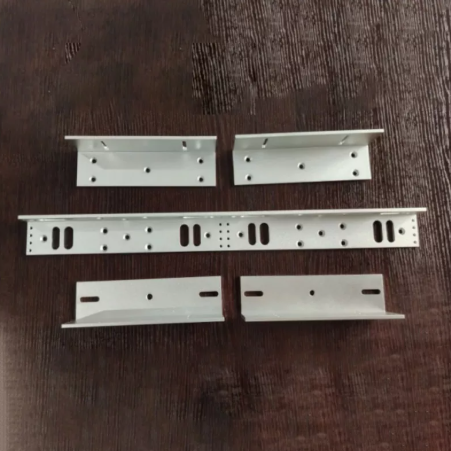
Sliding and swinging doors have unique movement patterns that standard maglocks may not support effectively. Traditional maglocks are designed to hold doors that swing open or closed in a conventional manner, but sliding doors move laterally, and bi-swing doors pivot in two directions. This requires specialty maglocks engineered specifically for these door types.Shear maglocks are a popular choice for sliding and swinging doors. They combine magnetic holding force with a shear locking action, which means the lock engages by sliding the armature plate across the magnet’s face. This mechanism resists lateral forces better than conventional pull-style maglocks. It secures sliding doors firmly without interfering with their smooth motion.
For swinging doors, specialty brackets or shear maglocks can accommodate unusual door swings, including outswing or double-swing configurations. These maglocks ensure the door stays locked securely while allowing the door to open and close naturally without binding or damage.Choosing the right maglock for sliding or swinging doors depends on door size, material, and traffic volume.Shear maglocks rated for appropriate holding force provide a balance of security and functionality. Installation often requires precise alignment and may benefit from professional support to ensure optimal performance.
Delayed egress maglocks serve a special purpose: they slow down the door’s release when someone tries to exit. This delay helps control unauthorized exits while still allowing safe evacuation in emergencies. When activated, these locks hold the door for a preset time, often accompanied by audible or visual alarms warning occupants of the delay.Authorized personnel can override delayed egress maglocks using access credentials, preventing false alarms. These locks are common in hospitals, schools, and retail environments where exit control is necessary but safety codes require quick emergency egress.
Hazardous location maglocks are designed for environments with combustible gases, dust, or chemicals. Ordinary electronic locks risk sparking, which can ignite flammable substances. Hazardous location maglocks have fully sealed internals and special certifications to prevent sparks or electrical faults.Models like the M62 with hazardous location variants (-EX) ensure safe operation in petrochemical plants, grain mills, or other risky settings. They combine strong holding force with compliance to safety standards, providing secure access without compromising safety.
Installing maglocks often involves more than just mounting hardware. Many local building codes require permits before you can install these locks, especially on doors that serve as emergency exits. The main reason is safety: maglocks are fail-safe, meaning they unlock when power is cut. This feature must integrate with fire alarm systems to ensure doors release instantly during emergencies.Permit requirements vary widely by city or municipality. Some places require electrical engineer drawings, emergency pull stations, or special signage. Others may demand integration with emergency lighting or fire alarm panels. Before installation, check local codes and consult authorities to avoid costly delays or rework.Failing to get proper permits can result in fines or having to remove the maglock. It's also important to ensure your installation does not block egress routes or violate fire safety codes.
Maglocks themselves are relatively affordable, typically costing between $350 and $750 per unit. Labor for installation usually ranges from $500 to $800, depending on complexity and location. However, these are just hardware and basic installation costs.The real expenses come from permit fees, electrical work, and integrating the maglock into existing fire and security systems. Preparing electrical engineer drawings, installing emergency override switches, and ensuring compliance with fire codes can add thousands of dollars to the project.For a single door, total costs including permits and compliance often reach $7,000 to $10,000. Installing multiple maglocks may reduce the per-door cost but still requires careful budgeting.
Because of these costs, many security professionals recommend electric door strikes over maglocks when possible. Door strikes don’t restrict emergency egress and often avoid the need for permits, lowering overall expenses.Still, maglocks are sometimes the only option, especially when controlling access both ways or securing emergency exits. In those cases, planning for permit requirements and compliance costs early saves time and money.
Maglocks offer robust security, especially for glass and high-traffic doors, with easy integration into access systems. Choosing the right maglock ensures optimal security without damaging door materials. Yunci Technology provides advanced maglocks that enhance security with minimal maintenance. Their products are designed to meet various needs, offering both strength and style. By selecting Yunci Technology's maglocks, businesses can ensure reliable and secure access control tailored to their specific requirements.
A: A maglock is an electromagnetic lock that secures doors using magnetic force, often used for glass doors to maintain aesthetics and provide strong security.
A: Maglocks offer secure locking without drilling, preserving the sleek look of glass doors while integrating with access control systems.
A: Maglocks are durable and low-maintenance, ideal for busy areas as they reduce wear and tear with no moving parts.
A: Maglock installation costs range from $7,000 to $10,000, including permits and compliance with fire safety codes.


