Views: 0 Author: Site Editor Publish Time: 2025-11-06 Origin: Site
Ever wondered how to enhance your home or office security? Maglocks offer a powerful solution. These electromagnetic locks provide robust security by using a magnetic field to secure doors. In this article, you'll learn what a maglock is, why it's a preferred choice for security, and a step-by-step overview of the installation process. Discover the essentials for installing a maglock seamlessly and effectively.
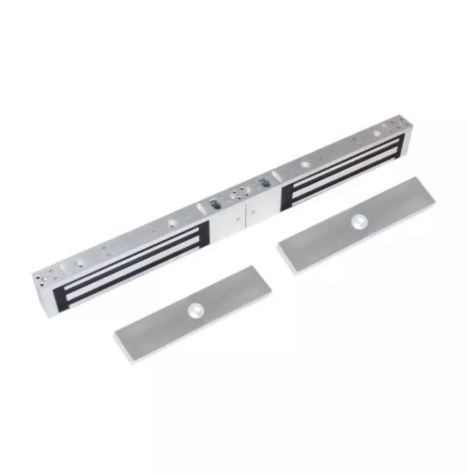
Before starting, gather all necessary tools to make installation smooth and efficient. You will need:
Maglock kit (includes magnet, armature plate, brackets, screws)
Power supply compatible with your maglock
Drill with various bits for pilot holes
Screwdriver (manual or electric)
Voltage meter to test electrical connections
Wire strippers and cutters for preparing wires
Wire nuts or connectors for secure wiring
Measuring tape and pencil for accurate marking
Level to ensure proper alignment
Having these tools ready prevents delays and helps maintain safety during installation.
A maglock system mainly consists of two parts:
Electromagnet: Mounted on the door frame, it creates a magnetic field when powered, locking the door.
Armature plate: Attached to the door, it aligns with the electromagnet to secure the door when locked.
Additional components include:
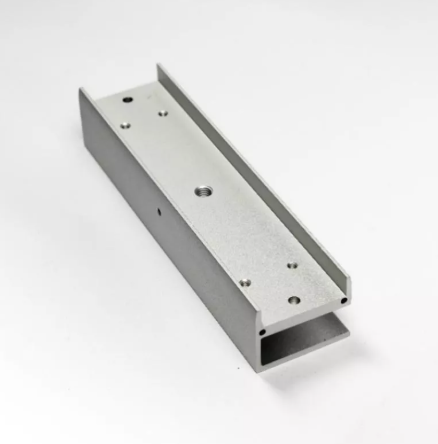
Brackets: Used to mount the magnet and armature plate on different door types, such as L, Z, or U brackets.
Power supply: Provides the necessary voltage to activate the magnet.
Wiring: Connects the magnet to the power source and access control systems.
Knowing these parts helps you understand their roles and ensures you install each correctly.
Preparation is key for a successful maglock installation. Take these steps before drilling or wiring:
Inspect the door and frame: Check material, thickness, and opening direction to select suitable brackets.
Plan wiring paths: Identify routes for wires to avoid electrical hazards and maintain aesthetics.
Review manufacturer instructions: Every maglock model may have specific requirements.
Test power supply compatibility: Verify voltage and current match the lock’s specifications.
Gather safety gear: Gloves, goggles, and other protective equipment protect you during installation.
Good preparation minimizes errors, reduces rework, and ensures the maglock functions reliably.
Choosing the right spot to install your maglock is crucial for security and functionality. First, consider the door type and how it opens—whether inward or outward. This affects the type of bracket needed and how the magnet and armature plate align. The location should allow the magnet and armature plate to meet perfectly when the door closes, ensuring a strong lock.Also, think about accessibility for wiring. The maglock needs a power source nearby, so pick a location where wires can be run discreetly and safely without creating hazards or looking messy. Avoid spots that expose the wiring to damage or weather if the door is exterior.Security is another key factor. Place the maglock where it can’t be easily tampered with or reached from outside. For example, mounting it high on the frame or inside a protective bracket can help prevent unauthorized interference.
The door’s material affects how well the maglock works. Magnetic locks rely on a strong magnetic field between the electromagnet and the armature plate. Materials like steel or aluminum frames can weaken this field because metals can interfere with magnetism.For instance, aluminum is conductive and can reduce the lock’s holding force, making it less secure. Wood or fiberglass doors usually don’t affect magnetism, so they are often better choices for maglock installation.If the door frame is made from metal, you might need special brackets or insulating materials to prevent magnetic interference. For glass doors, use specialized brackets like U-brackets to mount the lock without drilling into the glass, preserving its integrity and ensuring proper function.
Proper alignment between the electromagnet on the frame and the armature plate on the door is essential. Misalignment reduces the magnetic force, causing the lock to fail or work inconsistently.Use a level and measuring tape to mark exact mounting points. The armature plate must sit flush against the electromagnet when the door closes. Even small gaps or tilts can weaken the lock.Test the alignment by closing the door and checking if the magnet and plate meet evenly. Adjust the brackets if needed before securing everything firmly. If the door moves or shifts over time, periodic checks and adjustments help maintain security.
Choosing the correct bracket is crucial for a secure maglock installation. The type depends on the door's opening direction and material:
L Bracket: Common for outward-opening doors. The long side attaches to the door frame, while the short side holds the electromagnet.
Z Bracket: Ideal for inward-opening doors. One part mounts on the door leaf, the other holds the armature plate.
U Bracket: Designed for glass doors. It clamps around the glass edge, providing a metal base for mounting L or Z brackets since drilling into glass is not possible.
Each bracket type ensures the magnet and armature plate align properly, maximizing magnetic force and security.
Measure and Mark: Use a measuring tape and pencil to mark exact mounting points on the door and frame. Ensure marks align for flush contact between magnet and armature plate.
Pre-Drill Holes: Drill pilot holes slightly angled outward. This prevents excessive pressure on screws and helps secure the bracket firmly.
Attach Bracket to Door Frame: Secure the L or Z bracket to the door frame using screws. For glass doors, attach the U bracket first, then mount the L or Z bracket onto it.
Mount Electromagnet: Bolt the electromagnet onto the bracket’s short side. Confirm it’s flush and stable.
Install Armature Plate: Attach the armature plate to its bracket on the door leaf. Use the armature housing if provided to distribute force evenly.
Check Alignment: Close the door and verify the magnet and armature plate meet perfectly without gaps.
Misalignment: Even slight misalignment weakens magnetic force, risking lock failure. Always test and adjust before final tightening.
Over-tightening Screws: This can warp brackets or armature plates, reducing contact area.
Ignoring Door Material: Using standard brackets on glass or metal doors without proper adapters can damage surfaces or reduce lock effectiveness.
Skipping Pilot Holes: Drilling screws directly may split wood or misplace screws, compromising stability.
Neglecting Reveal Depth: The bracket’s orientation must consider the door frame’s reveal depth for a secure fit.
Wiring a maglock correctly is crucial for its reliable operation. Most maglocks come with a wiring diagram showing how to connect the electromagnet to the power supply and access control system. Typically, the maglock uses low-voltage DC power, often 12V or 24V, so matching the power supply voltage is essential.
The wiring diagram usually includes:
Power Input Wires: These connect the maglock to the power supply.
Ground Wire: Ensures electrical safety by grounding the system.
Access Control Signal Wires: Connect the maglock to the access control panel or switch, controlling when the lock energizes or de-energizes.
The maglock operates on a fail-safe principle: when powered, it locks; when power is cut, it unlocks. Wiring must reflect this behavior. For example, the access control system interrupts power to release the lock during authorized entry.
Running wires neatly and safely ensures both functionality and aesthetics. Here are some tips:
Plan Wire Routes: Identify paths that avoid high-heat areas, water exposure, or sharp edges. Use walls, door frames, or conduit to protect wires.
Use Proper Wire Gauge: Check the maglock’s power requirements and use wire thick enough to handle the current without voltage drop.
Secure Wires: Use cable ties or clips to fasten wires along their path, preventing sagging or accidental damage.
Avoid Interference: Keep power wires separate from data or communication cables to reduce electromagnetic interference.
Label Wires: Mark each wire at connection points to simplify troubleshooting and future maintenance.
Follow Building Codes: Comply with local electrical codes for safety and legality.
After wiring, test the voltage at the maglock terminals using a voltage meter. The voltage should match the maglock’s specifications, usually 12V or 24V DC. Too low voltage can weaken the magnetic hold; too high can damage the lock.
Steps for testing:
Turn On Power Supply: Ensure the power supply is active.
Measure Voltage: Place the meter probes on the maglock’s power terminals.
Verify Voltage Range: Confirm it falls within the recommended range.
Test Lock Engagement: Apply power and check if the maglock engages firmly.
Test Lock Release: Cut power via the access control system and confirm the lock releases smoothly.
If voltage is incorrect or the lock fails to operate properly, double-check wiring connections, power supply output, and ensure no shorts or loose connections exist.
Once the maglock is installed and wired, testing its functionality is essential. First, power up the system and close the door. The maglock should engage immediately, holding the door firmly shut. Use a gentle pull on the door to confirm it stays locked. Next, trigger the access control system or cut power to the maglock. The lock should release, allowing the door to open smoothly without resistance.Check the lock’s hold force by applying moderate pressure to the door. If the door opens easily, the magnetic bond might be weak due to misalignment or insufficient voltage. Repeat the test several times to ensure consistent operation. Testing both lock engagement and release confirms the maglock works as intended.
If the maglock fails to hold or release properly, consider these troubleshooting steps:
Misalignment: Even small gaps between the electromagnet and armature plate reduce holding force. Recheck and adjust their alignment using a level and measuring tape.
Incorrect Voltage: Use a voltage meter to verify power supply matches the maglock’s voltage rating. Low voltage weakens the lock, while excessive voltage risks damage.
Loose Wiring: Inspect all wire connections for secure contacts. Loose or corroded wires can cause intermittent lock behavior.
Obstructions: Ensure no debris or paint prevents full contact between the magnet and armature plate.
Damaged Components: Check for physical damage to the magnet, armature plate, or brackets that may impair function.
Addressing these common issues typically restores proper lock operation.
After resolving any issues, fine-tune the maglock for the best performance:
Adjust Brackets: Slightly shift the magnet or armature plate brackets to eliminate any gaps or tilts. The armature plate should sit flush against the magnet when the door closes.
Secure Mounting: Tighten all screws firmly but avoid over-tightening, which can warp components and reduce contact area.
Test Door Movement: Open and close the door multiple times to ensure smooth operation without binding or rubbing.
Verify Power Consistency: Monitor voltage during operation to confirm stable power delivery without drops.
Schedule Periodic Checks: Over time, door settling or wear may affect alignment. Regular inspections and adjustments keep the maglock working reliably.
Fine-tuning ensures the maglock provides strong security and smooth access daily.
When installing a maglock, fire safety regulations must be a top priority. Many local building codes and fire safety standards require that doors equipped with maglocks allow easy and quick exit during emergencies. Since maglocks are fail-safe, they unlock automatically when power cuts, ensuring occupants can exit safely if the power fails.
However, additional safety features may be required, such as:
Request-to-exit (REX) devices: Motion sensors or push-to-exit buttons that release the lock when triggered from inside.
Fire alarm integration: The maglock system should interface with fire alarm panels to unlock doors automatically during fire events.
Emergency override controls: Manual switches or emergency power-off buttons to release locks quickly.
Complying with these requirements prevents violations, ensures occupant safety, and maintains building insurance validity.
Maglocks often function as part of a broader access control system. Integration allows remote control and monitoring of door security through keycards, biometric readers, or mobile credentials.
Key integration points include:
Power control: Access controllers send signals to energize or de-energize the maglock, locking or unlocking the door.
Monitoring: Sensors detect door status (open/closed) and lock state, providing real-time alerts.
Fail-safe unlocking: Controllers cut power to the maglock during authorized access or emergency events.
Proper wiring and configuration ensure seamless communication between the maglock and access control hardware. Always follow manufacturer guidelines and consult access control specialists to optimize system compatibility and security.
Though maglocks unlock on power loss, mechanical or electrical failures may prevent door release. A manual override provides a reliable backup to unlock doors during emergencies.
Common manual override options include:
Key override cylinders: Allow authorized personnel to manually disengage the lock using a physical key.
Mechanical release levers: Installed inside the door, enabling occupants to unlock the door without power.
Battery backup systems: Maintain lock operation during power outages and allow override access.
Including manual overrides enhances safety by ensuring door egress under any circumstance. It also supports compliance with fire and safety codes and reduces liability risks.
Installing a maglock involves gathering essential tools, understanding components, and selecting the right location. Proper installation ensures effective security and accessibility. A well-installed maglock offers reliable locking, safety compliance, and seamless access control integration. For long-term security, regularly test and adjust the system. Yunci Technology provides advanced maglock systems that enhance security and convenience, ensuring peace of mind with innovative features and reliable service.
A: A maglock is an electromagnetic locking device that secures doors by creating a magnetic field between an electromagnet and an armature plate.
A: Use a U bracket to clamp around the glass edge, providing a base for mounting the maglock without drilling into the glass.
A: Proper alignment ensures the electromagnet and armature plate meet perfectly, maximizing magnetic force and security.
A: Maglocks offer secure, fail-safe locking, easy integration with access control systems, and automatic unlocking during power outages.
A: Check for misalignment, incorrect voltage, loose wiring, obstructions, or damaged components to resolve holding issues.


