Have you ever wondered how doors in high-security areas keep intruders out? The answer often lies in maglocks. These magnetic locks provide robust security and are essential in various applications, from office buildings to residential complexes. In this post, you'll learn what maglocks are, their importance, and how they work to keep spaces secure.
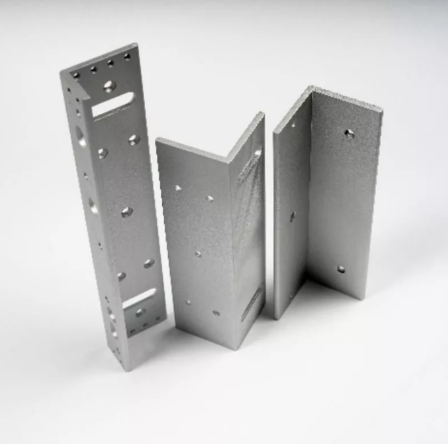
At its core, a magnetic lock, or maglock, consists of two main parts:
Electromagnet: This is the key component attached to the door frame. It contains coils of wire wrapped around a ferromagnetic core, usually soft iron, which greatly enhances the magnetic field when powered.
Armature Plate: This metal plate is mounted on the door itself. It’s made from ferrous metal and designed to align perfectly with the electromagnet when the door closes.
Other important components include the power supply, wiring, and mounting brackets to secure the electromagnet and armature plate in place. The power supply typically provides low voltage DC current, commonly 12V or 24V, to energize the electromagnet.
Maglocks operate on the principle of electromagnetism. When an electric current passes through the coils in the electromagnet, it generates a magnetic field. This magnetic field creates a strong attraction force between the electromagnet and the armature plate, holding the door firmly closed.
The strength of this magnetic field depends on several factors:
Current strength: Higher current produces a stronger magnetic field.
Number of coil turns: More wire loops amplify the magnetic effect.
Core material: Soft iron cores align their internal magnetic domains, boosting the magnetic flux density.
Contact surface: The electromagnet and armature plate must be flat and aligned perfectly for maximum holding force.
When the power supply is switched off, the magnetic field collapses instantly, releasing the armature plate and unlocking the door. This fail-safe design ensures safety during emergencies, allowing quick exit when power is lost.The holding force of a maglock can range from a few hundred to over a thousand pounds, depending on its size and design. This makes maglocks suitable for various applications, from light office doors to heavy security gates.
Magnetic locks come in several types, each suited to specific door styles and security needs. Understanding these types helps you choose the best lock for your application.
Surface-mount maglocks are the most common type. They install directly on the door frame's surface and the door itself. This makes installation straightforward, especially on metal or wooden doors. Because they are visible, surface-mount maglocks also serve as a deterrent to unauthorized access.
Advantages: Easy to install, maintain, and inspect. Suitable for a wide range of door types.
Typical use: Office entrances, commercial buildings, and residential doors.
Concealed or shear locks are embedded inside the door and frame, making them invisible when the door is closed. Instead of pulling apart, they resist sliding or shearing forces, which makes them ideal for sliding doors or specialized security doors.
Advantages: Hidden design for aesthetic appeal and tamper resistance.
Typical use: High-security areas, sliding doors, and locations requiring discreet locking.
Maglocks also vary based on door configuration:
Single Door Maglocks: Designed for one door leaf. The electromagnet attaches to the frame, and the armature plate mounts on the door.
Double Door Maglocks: Used for paired doors, usually installed at the center top of the frame. They feature dual electromagnets that lock both doors simultaneously, ensuring security across wider entrances.
Choosing between single or double door maglocks depends on your entryway setup and security requirements.
Maglocks work by creating a magnetic field through an electric current. When power flows through the coil inside the electromagnet, it generates a magnetic force. This force pulls the armature plate attached to the door, holding it firmly against the electromagnet on the door frame. The strength depends on the current, coil turns, and core material. The better the alignment between the electromagnet and armature plate, the stronger the hold.
Maglocks come in two main configurations based on how they behave during power loss:
Fail-Safe: These locks unlock automatically when power is cut. This design ensures safety, allowing quick exit during emergencies like fires or power outages. It’s ideal for emergency exits or high-traffic areas where safety is a priority.
Fail-Secure: These locks remain locked even if power is lost, maintaining security. They are common in high-security zones like server rooms, where unauthorized access during power failure must be prevented. However, fail-secure doors usually still allow free exit from inside for safety.
Choosing between fail-safe and fail-secure depends on whether safety or security is more critical for your application.
Since maglocks rely on electricity, power outages affect their operation. Fail-safe maglocks release the door immediately when power stops, preventing lock-in hazards. To maintain security, facilities often install backup power sources like uninterruptible power supplies (UPS) or battery backups. These keep maglocks energized during outages, ensuring continuous locking.
Fail-secure maglocks, by contrast, stay locked without power, so backup power is less critical for security but still important for safety compliance.
Maglocks provide strong holding force, often ranging from several hundred to over a thousand pounds. This strength makes it tough for unauthorized users to force open doors. Because they rely on magnetic attraction rather than mechanical parts, they suffer less damage from physical attacks like prying or crowbars.
Installing maglocks is generally simpler than mechanical locks. They don’t have complex moving parts or mechanical linkages. Mounting the electromagnet and armature plate requires fewer adjustments, especially for surface-mount types. This reduces installation time and labor costs.
Because maglocks work electronically, they can be controlled remotely. Security teams can lock or unlock doors from a central system, integrate them with access control devices such as keycards or biometrics, and monitor door status in real-time. This flexibility enhances building security management.
Maglocks unlock instantly when power is cut or authorization is granted. This rapid operation is vital in emergencies, allowing fast exit without fumbling with keys or mechanical locks.
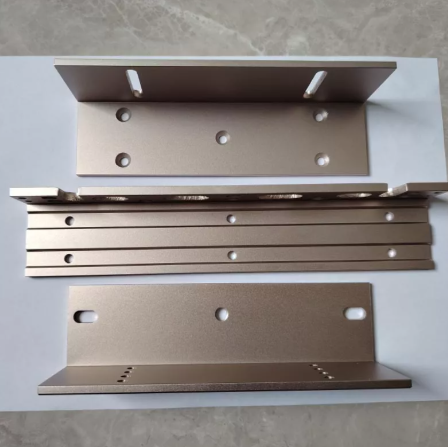
Installing a maglock properly is key to reliable security. Here’s a straightforward process:
Turn off power: Always disconnect power before starting electrical work to avoid hazards.
Mark mounting spots: Position the electromagnet on the door frame and the armature plate on the door. Ensure perfect alignment for optimal magnetic force.
Drill holes: Drill holes in the door frame and door to fit the electromagnet and armature plate securely.
Attach components: Use the correct screws and brackets to fasten the electromagnet and armature plate firmly. Tighten screws to prevent movement.
Wire connections: Connect the electromagnet to the power supply and access control devices, following the wiring diagram carefully.
Test voltage: Verify the voltage at the electromagnet terminals matches the lock’s specifications (usually 12V or 24V DC).
Test operation: Power up the system, close the door, and check if the maglock engages and releases correctly.
Adjust alignment: If the lock doesn’t hold well, adjust the armature plate or electromagnet until they align perfectly.
Secure wiring: Route and fasten wires neatly to avoid damage or accidental disconnection.
Maglocks need some care to stay dependable:
Clean surfaces: Dust and debris reduce magnetic contact. Wipe the electromagnet and armature plate regularly with a soft cloth.
Check alignment: Doors can warp or shift over time, so inspect and realign the lock parts at least twice a year.
Inspect wiring: Look for loose connections, corrosion, or frayed wires. Tighten or replace as needed.
Test functionality: Regularly test the lock’s operation to catch issues early.
Lubricate hinges: While maglocks have no moving parts, door hinges do. Smooth operation helps keep the lock aligned.
Even well-installed maglocks can face problems. Here’s what to check:
Misalignment: The most frequent cause of failure. Adjust the armature plate or electromagnet for better contact.
Power supply problems: Verify the power source delivers the correct voltage. Replace faulty power supplies or batteries.
Wiring errors: Loose or incorrect wiring can prevent the lock from energizing. Double-check connections.
Mechanical damage: Screws or brackets loosen over time. Tighten or replace them.
Interference: Electromagnetic interference from nearby devices can cause erratic behavior. Shield wiring or relocate the lock if needed.
Wear and corrosion: Moisture or dirt buildup can degrade performance. Clean and protect components regularly.
Maglocks work best when integrated into modern access control systems. These systems control who can enter or exit a building by linking maglocks to electronic devices that verify identity or authorization.
One popular way to operate maglocks is through keycards or fobs. Users simply swipe or tap their card on a reader, which sends a signal to unlock the maglock if the card is authorized. This method is common in offices and apartment buildings for convenient, secure access.Biometric scanners add another layer of security. These devices read fingerprints, facial features, or even iris patterns to confirm identity. When the biometric system approves access, it triggers the maglock to release. Biometrics are especially useful in high-security areas where only specific people should enter.PIN keypads offer a simple but effective option. Users enter a unique code to unlock the door. This is often combined with other methods, like keycards, to create multi-factor authentication, enhancing security.
Maglocks connected to access control systems can be managed remotely. Security personnel monitor door status, control lock functions, and receive alerts from a centralized system or software platform. This remote control allows quick responses to security events, such as unlocking doors for emergency responders or locking down areas during threats.Remote management also supports scheduling. Doors can be programmed to lock or unlock at set times, reducing the need for manual control. This feature is valuable in schools, offices, or warehouses with specific hours of operation.Additionally, some systems track who enters and exits, providing audit logs for security reviews. This data helps identify unauthorized access attempts or patterns that require attention.
Maglocks are widely used in industrial and commercial environments because they offer strong security and easy access control. Factories, warehouses, and office buildings often rely on maglocks to secure entry points and sensitive areas. These locks can handle heavy traffic, making them ideal for busy workplaces.In industrial settings, maglocks help protect equipment rooms, storage areas, and loading docks. Their strong holding force prevents unauthorized entry, reducing theft and vandalism risks. Plus, they integrate well with access control systems, allowing managers to monitor who enters restricted zones.Commercial buildings benefit from maglocks by enhancing security at main entrances, conference rooms, and server rooms. Since maglocks operate electronically, security teams can lock or unlock doors remotely, improving response times during emergencies or security breaches.
Maglocks are also popular in residential buildings and high-security locations. Apartment complexes and gated communities use maglocks to control access to common areas like lobbies, gyms, and parking garages. Residents appreciate keycard or biometric entry options for convenience and safety.In high-security areas such as government facilities, data centers, and research labs, maglocks provide reliable protection. These locations often require fail-secure locks that remain locked during power outages, ensuring sensitive information and assets stay secure. Combining maglocks with biometric scanners or PIN keypads adds extra layers of security.Moreover, maglocks are useful for securing private rooms or hidden compartments where discreet and tamper-resistant locking is necessary. Their minimal mechanical parts mean fewer breakdowns and less maintenance in critical environments.
Maglocks offer robust security, easy installation, and remote operation, making them ideal for various applications. As technology advances, magnetic locking systems will continue to evolve, enhancing security and convenience. Yunci Technology provides cutting-edge maglocks that combine reliability and innovation, ensuring superior protection for your premises. Their products' unique benefits and features make them a valuable choice for securing industrial, commercial, or residential spaces.
A: A maglock, or magnetic lock, consists of an electromagnet and an armature plate, using electromagnetism to secure doors.
A: A maglock works by generating a magnetic field when powered, attracting the armature plate and holding the door closed.
A: Maglocks offer strong security, easy installation, and remote operation, making them ideal for various applications.
A: Maglock prices vary, typically higher than mechanical locks, due to additional components like power supplies and access control systems.


