Mag locks, short for electromagnetic locks, are a popular security solution used in a wide variety of applications, from securing doors in commercial buildings to providing access control in residential areas. Over the years, mag locks have gained popularity due to their reliability, ease of installation, and the relatively low maintenance they require. However, as with any mechanical or electronic system, the question arises: do mag locks wear out? In this article, we will delve into the functionality of maglocks, the factors that affect their lifespan, and the maintenance practices that can extend their operational life. We will also compare different types of maglocks and their durability to help you make an informed decision when choosing the best maglock system for your needs.
Before we discuss whether mag locks wear out, it is essential to understand how they work. A maglock is an access control device that uses the principle of electromagnetism to secure doors. The lock consists of two main parts: an electromagnet (mounted on the door frame) and an armature plate (attached to the door). When electricity flows through the electromagnet, it generates a magnetic field that attracts the armature plate, effectively holding the door shut. To release the door, the power is turned off, which causes the magnetic field to dissipate, allowing the door to open.
Maglocks are typically used for interior doors, especially in high-security areas such as server rooms, offices, and areas requiring restricted access. They are often integrated with access control systems like keycard readers or biometric scanners for an added layer of security.
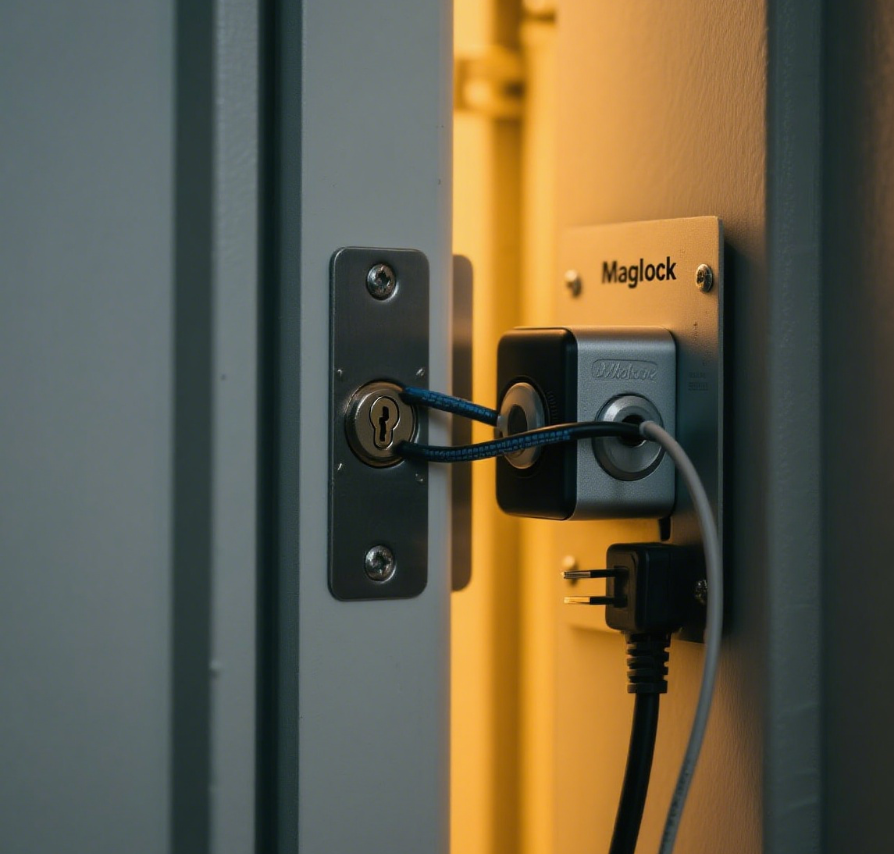
The short answer is yes, maglocks can wear out over time. While maglocks are designed to be durable, several factors can contribute to their degradation. However, compared to traditional mechanical locks, maglocks generally have fewer moving parts, which can result in a longer lifespan when properly maintained. Let’s explore the main factors that can influence the wear and tear of maglocks.
One of the key factors that affect the longevity of maglocks is the continuous use of power. Since maglocks rely on an electrical current to generate a magnetic field, the constant flow of electricity can lead to heat buildup. Over time, this heat can cause the components to degrade, especially the electromagnet and the power supply circuitry. The heat generated can also affect the insulation materials used in the electromagnet, leading to a breakdown in performance.
Environmental factors such as temperature, humidity, and exposure to dust or corrosive elements can significantly impact the performance of maglocks. Extreme temperatures can cause the materials used in the lock to expand or contract, which may lead to mechanical failures. High humidity can result in rust or corrosion, especially in the metal parts of the maglock, compromising its magnetic strength. Dust and dirt accumulation can clog the components, leading to inefficient performance and increased wear.
Maglocks are sensitive to electrical surges and voltage fluctuations. Power surges, often caused by lightning strikes or issues with the building’s electrical grid, can cause damage to the internal circuits of the maglock. These surges can burn out the electromagnet or the control unit, rendering the maglock inoperable. Voltage fluctuations can also affect the strength of the magnetic field, leading to inconsistent performance and premature wear.
Although maglocks are often chosen for their lack of moving parts, they are still susceptible to mechanical damage. If the maglock or the armature plate is struck with significant force, it can cause misalignment or even breakage. For example, slamming a door shut could lead to misalignment of the armature plate, reducing the lock's effectiveness. In severe cases, the magnetic force may become weaker, and the lock may fail to secure the door properly.
Improper installation of a maglock can lead to premature wear and tear. If the components are not aligned correctly, the electromagnet and armature plate may not form an efficient magnetic connection, causing the lock to work harder than necessary. Over time, this can lead to overheating, component degradation, and eventual failure. Additionally, improper wiring can cause electrical malfunctions, further shortening the lifespan of the maglock.
The more frequently a maglock is used, the more likely it is to wear out over time. High-traffic doors that are constantly in use will experience more cycles of activation and deactivation, leading to more wear on the electrical components. While maglocks are generally designed for high-cycle usage, excessive use can still lead to degradation in performance over time. For example, frequent power cycling can wear out the internal electronics or cause thermal stress on the electromagnet.
On average, a well-maintained maglock can last between 5 to 10 years, depending on usage and environmental factors. In high-traffic areas with consistent use, the lifespan may be on the lower end of the spectrum, while in low-traffic, controlled environments, the maglock may last longer.
It is important to note that the lifespan of a maglock is also affected by the quality of the product. Higher-quality maglocks from reputable manufacturers tend to have better components, including more robust electromagnets, improved power supplies, and higher resistance to environmental factors. These maglocks can last significantly longer and require less frequent maintenance or replacement.
While maglocks are designed for long-term use, there are several maintenance practices that can help extend their lifespan and ensure they continue to function optimally.
Regular inspection is crucial to identifying potential issues before they become major problems. Check for signs of wear, such as loose wiring, corrosion, or physical damage to the components. Inspect the armature plate for misalignment or debris buildup, which could interfere with the magnetic connection. Ensure that the electromagnet is free of dust and dirt, as these can impact its efficiency.
Proper installation is key to the longevity of maglocks. Make sure that the electromagnet and armature plate are properly aligned and securely mounted. Incorrect installation can lead to strain on the components, causing them to wear out faster. If you are unsure about the installation process, it is recommended to consult with a professional installer.
Install surge protectors or uninterruptible power supplies (UPS) to protect your maglocks from electrical surges and voltage fluctuations. This is particularly important in areas prone to electrical storms or power issues. Surge protectors can help prevent damage to the internal circuits and ensure that the maglock continues to function smoothly.
Cleanliness is essential for maglocks. Ensure that the lock and armature plate are free from dirt, dust, and other debris that could affect performance. In high-humidity areas, consider using dehumidifiers to prevent rust and corrosion from forming on the metal parts. If the maglock is exposed to corrosive environments, such as coastal regions, consider using models with corrosion-resistant coatings or materials.
Avoid slamming the door or applying excessive force to the maglock. Mechanical damage can weaken the magnetic field or misalign the components, reducing the lock's effectiveness. If the door is heavy or prone to slamming, consider installing door closers to reduce the impact on the maglock.
If you notice that the maglock is no longer functioning as efficiently as it once did, consider replacing the worn-out components. This could include the electromagnet, armature plate, or control unit. Replacing individual parts can often be more cost-effective than replacing the entire system and can significantly extend the life of the lock.
Maglocks are an essential part of modern access control systems, offering convenience and security without the need for traditional mechanical keys. While maglocks can wear out over time due to factors such as continuous power use, environmental conditions, electrical surges, and mechanical impacts, they are generally durable and long-lasting when properly maintained. By following regular maintenance practices, ensuring proper installation, and protecting the system from external factors, you can significantly extend the lifespan of your maglock system. Investing in a high-quality maglock will also contribute to its durability and reliability, ensuring that your access control system functions effectively for many years to come.
Whether you're considering maglock doors for your business or upgrading your home security system, understanding the factors that contribute to the wear and tear of maglocks will help you make an informed decision. By taking the necessary steps to care for your maglocks, you can ensure that they continue to provide robust security and access control without the worry of premature failure.


