Views: 0 Author: Site Editor Publish Time: 2025-09-15 Origin: Site
CNC (Computer Numerical Control) machining has revolutionized modern manufacturing, providing unparalleled precision, speed, and flexibility. CNC machined parts have become integral in various industries, including aerospace, automotive, medical, and electronics, among others. These parts are created using automated machine tools controlled by a computer, ensuring that the final product is produced with high accuracy and minimal human intervention. In this article, we will explore the numerous benefits of CNC machined parts, focusing on their application across various industries, the specific advantages they offer, and how they are transforming modern manufacturing.
CNC machined parts are components produced through CNC machining processes, which use computerized controls to operate machine tools such as drills, lathes, and mills. These machines follow precise commands from a computer program to shape, cut, and finish materials like metal, plastic, wood, or composite materials into highly detailed parts. CNC machining is capable of producing parts with complex geometries, tight tolerances, and superior surface finishes. The process is used for both small and large-scale production, making it a highly versatile manufacturing technique.
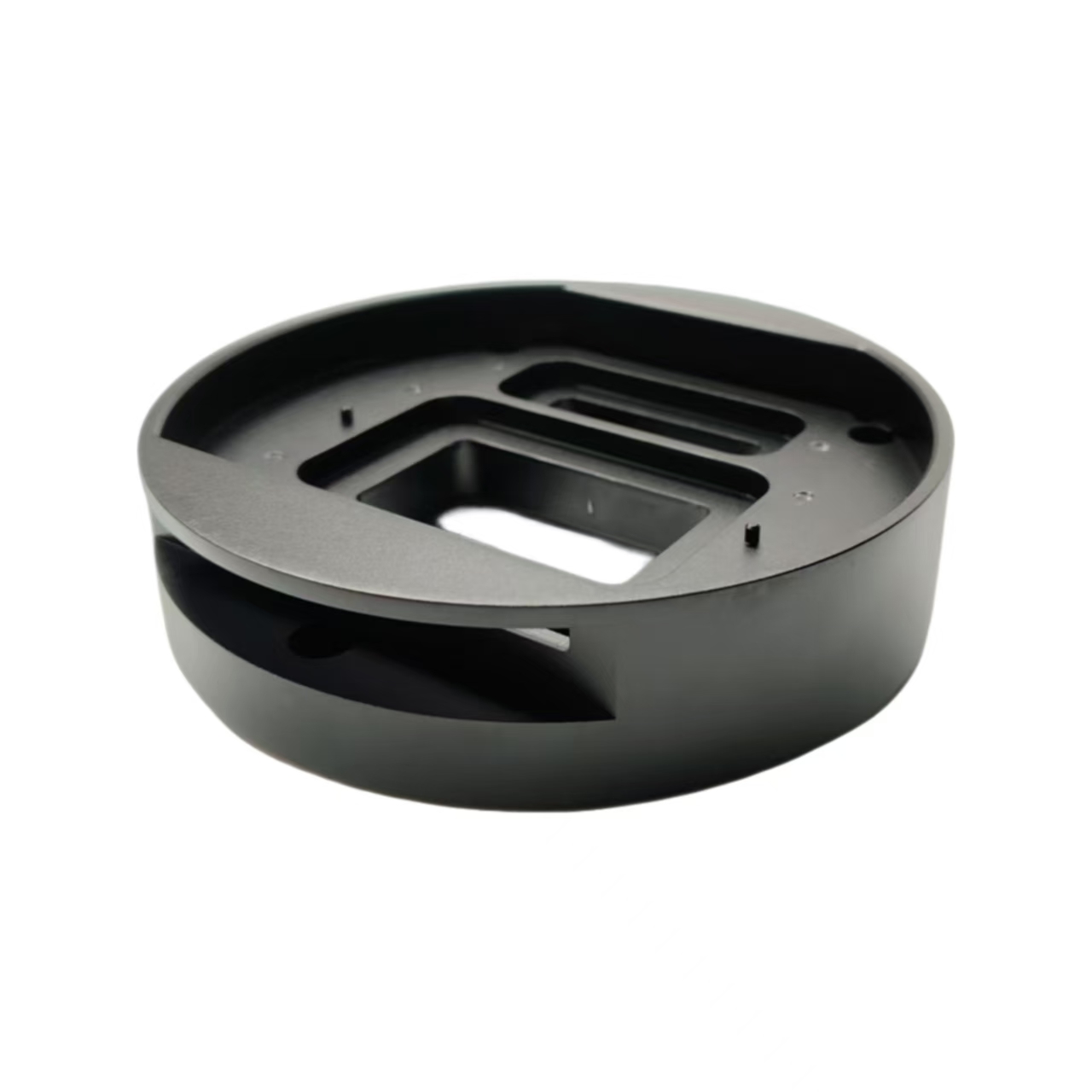
One of the primary benefits of CNC machined parts is their exceptional precision and accuracy. Traditional machining methods rely on human operators to control machines, which can introduce errors due to fatigue or inconsistency. With CNC machining, the computer-controlled systems ensure that every cut and movement is executed precisely according to the design specifications, minimizing errors and maximizing accuracy.
Another significant advantage is the consistency that CNC machining offers. Once a program is developed, it can be run repeatedly to produce identical parts with the same dimensions and features. This consistency is crucial for industries that require large volumes of parts with precise specifications, such as the automotive and aerospace sectors.
For example, small part CNC machining ensures that small components, often used in high-precision industries, are consistently reproduced with the same level of detail, which is vital for the performance and reliability of the final products.
CNC machining is cost-effective, especially when it comes to high-volume production. While the initial setup and programming may require some investment, the per-unit cost decreases significantly when producing large quantities of parts. This efficiency makes CNC machining an attractive option for industries that require mass production of components, such as automotive manufacturing or consumer electronics.
The automation of the process also reduces labor costs, as the machine can operate continuously without requiring constant oversight from human operators. For small parts, CNC machining can produce highly detailed components at lower costs compared to manual methods, which require significant time and effort for each part.
CNC machines can handle a wide variety of materials, making them suitable for a broad range of industries. Common materials used in CNC machining include metals like aluminum, steel, titanium, and copper, as well as plastics, wood, and composites. This flexibility allows manufacturers to choose the most suitable material for their product, depending on factors such as strength, weight, and durability.
For example, in the small parts market, manufacturers often choose lightweight yet durable materials like aluminum or certain polymers, ensuring that the final part meets the necessary mechanical properties while remaining cost-effective.
CNC machining excels at creating parts with complex geometries that would be difficult, if not impossible, to achieve using traditional manufacturing methods. This ability allows industries to push the boundaries of design and innovation. For instance, intricate features like holes, slots, and fine threads can be easily incorporated into small CNC machined parts, offering precise designs for applications ranging from medical devices to aerospace components.
The ability to work with detailed 3D models further enhances the design possibilities, enabling manufacturers to create parts with more advanced shapes and features.
CNC machining minimizes material waste by using a subtractive manufacturing process. Instead of adding material, CNC machines cut away excess material from a solid block to form the desired shape. This precision ensures that only the required amount of material is used, which reduces waste and overall material costs. This is particularly beneficial for industries where materials like titanium or high-grade steel are expensive.
Safety is a critical concern in manufacturing environments. CNC machining offers a higher level of safety compared to manual machining. The automated nature of CNC machines means that operators are less likely to come into contact with moving parts, reducing the risk of workplace accidents. Additionally, the machines can be equipped with safety features such as automatic shutdowns, emergency stops, and sensors to detect malfunctions.
CNC machining is also a valuable tool for rapid prototyping. The ability to quickly produce prototypes allows manufacturers to test and refine their designs before committing to full-scale production. This speeds up the product development process and reduces the risk of costly errors. For industries like medical devices, where precision and functionality are critical, the ability to quickly prototype small CNC machined parts can be a game-changer in terms of innovation and time-to-market.
The lead time for producing CNC machined parts is typically shorter than traditional methods due to the high degree of automation and precision. CNC machines can operate continuously, reducing the time needed to produce a single part. In industries that require fast turnaround times, such as aerospace and automotive manufacturing, this efficiency can be crucial.
By streamlining the production process, CNC machining allows manufacturers to meet tight deadlines without sacrificing quality, making it ideal for industries that demand both speed and precision.
Another significant benefit of CNC machined parts is the ability to customize parts to meet specific requirements. With the use of CAD (Computer-Aided Design) software, manufacturers can design parts tailored to unique specifications. This level of customization is beneficial for industries that require bespoke solutions, such as the medical field, where custom implants or surgical tools are often needed.
Whether it's small CNC machined parts for an industrial application or a large, complex aerospace component, CNC machining can deliver the level of customization that traditional methods cannot match.
The aerospace industry relies heavily on CNC machining to produce precision parts for aircraft and spacecraft. These parts must meet stringent safety and performance standards, making CNC machining an ideal choice. Components like turbine blades, engine parts, and structural components are all manufactured using CNC machines.
CNC machined parts are widely used in the automotive industry for both prototype and mass production. These parts include engine components, transmission parts, and suspension components, among others. The ability to produce complex and durable parts makes CNC machining essential for automotive manufacturing.
The medical industry requires highly precise components, such as surgical instruments, implants, and diagnostic equipment, which are often made using CNC machining. These parts need to meet strict regulations and tolerances, and CNC machines are ideal for ensuring that each part meets the necessary requirements.
In the electronics industry, CNC machining is used to create small, precise components like connectors, housings, and circuit boards. As the demand for smaller and more complex electronic devices grows, CNC machining has become an indispensable tool for producing high-quality parts that fit within these devices.
CNC machined parts are components created using a computer-controlled machine tool that follows precise instructions from a CAD program. These parts are produced with high accuracy and are used in various industries, including aerospace, automotive, medical, and electronics.
CNC machined parts are crucial for industries that require high precision, consistency, and efficiency in their manufacturing processes. The ability to produce complex designs with minimal material waste makes CNC machining a valuable tool in modern manufacturing.
CNC machines can work with a wide variety of materials, including metals like steel, aluminum, and titanium, as well as plastics, composites, and even wood. The choice of material depends on the specific application and the required properties of the final part.
CNC machining allows manufacturers to quickly create prototypes with high precision, enabling them to test and refine designs before committing to full-scale production. This reduces the risk of errors and accelerates the product development process.
CNC machined parts are used in a wide range of industries, including aerospace, automotive, medical, electronics, and more. These parts are crucial for producing high-precision components that meet strict performance and safety standards.
Small part CNC machining allows manufacturers to produce highly detailed, miniature components with tight tolerances. This is particularly beneficial for industries like medical devices, electronics, and aerospace, where small, precise parts are required.
CNC machined parts offer numerous benefits to industries that require high precision, efficiency, and customization. From small part CNC machining to large-scale industrial applications, CNC technology has revolutionized the way parts are produced. Its ability to create complex, high-precision parts with minimal waste and faster lead times makes it an indispensable tool in modern manufacturing. As industries continue to push the boundaries of design and innovation, CNC machining will remain a critical part of the manufacturing landscape.


